What Is the Best Stock Clamshell Packaging from China?
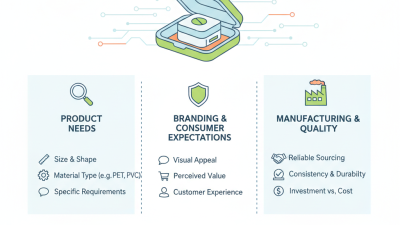
Choosing the best stock clamshell packaging from China requires more than comparing unit prices. It demands practical judgment, material knowledge, and careful supplier evaluation. A strong package should protect the product, display it clearly, and support efficient retail handling. It should also match the product’s weight, shape, and selling environment.
Packaging strategist David Luttenberger often describes packaging as “the silent salesman.” That idea matters here. A transparent PET clamshell can show color, texture, and quantity before purchase. A secure hinge can reduce accidental opening during transport. A reinforced hanging hole can improve shelf presentation. Small details often influence buyer confidence.
The best stock clamshell packaging is not always the cheapest option. It may offer stable dimensions, clean sealing edges, and consistent material thickness across production batches. Reliable Chinese suppliers should provide samples, technical specifications, inspection records, and clear communication about customization limits. Ask about recycled content, mold precision, packing methods, and lead times. Do not rely only on attractive photographs.
There is no universal winner. A package that suits cosmetics may fail for hardware or food-contact products. That distinction is easy to overlook. Product testing remains essential, even when a supplier appears experienced. Drop tests, hinge checks, stacking trials, and visual inspections can reveal weaknesses before shipment.
This guide examines practical selection criteria for stock clamshell packaging from China. It considers protection, visibility, retail compatibility, quality control, sustainability, and total cost. Some recommendations may need adjustment. Real products behave differently under pressure, heat, and transport vibration. That is where careful evaluation becomes more valuable than confident assumptions.
Stock Clamshell Packaging in China: Formats, Materials, and Standard Sizes
What Is the Best Stock Clamshell Packaging from China?
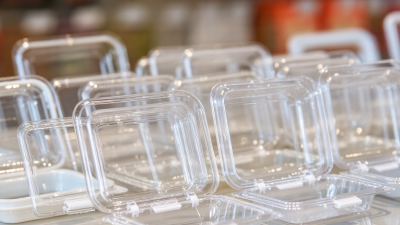
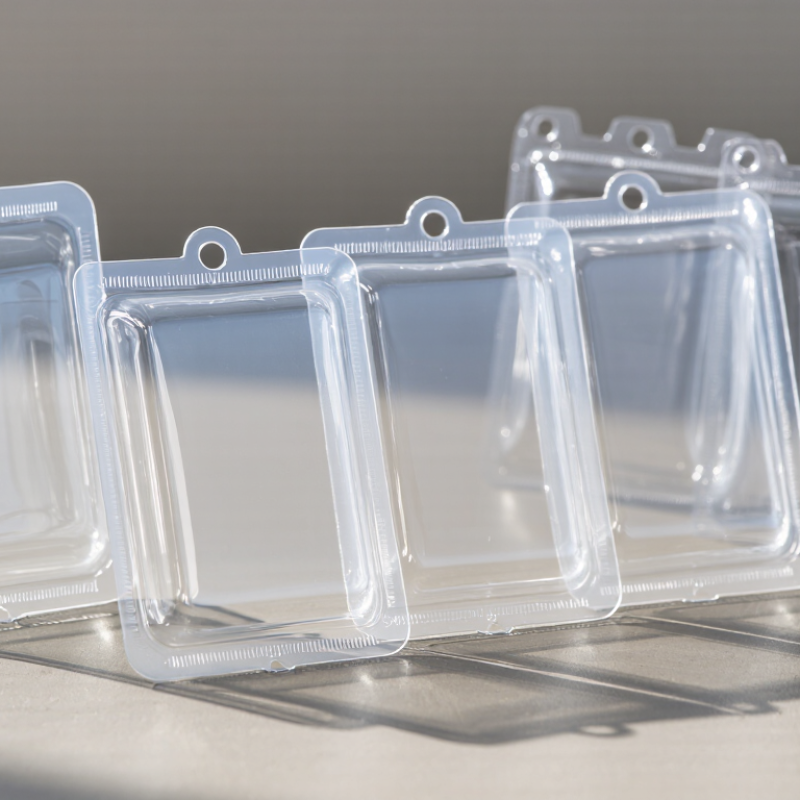
Stock clamshell packaging in China usually comes in hinged, two-piece, and hanging formats. Hinged styles suit small electronics, hardware, and personal-care accessories. Two-piece designs offer cleaner shelf presentation and easier product loading. Hanging clamshells use euro slots or round holes for peg displays. Simple, but effective.
Common materials include PET, rPET, PVC, and PP. PET gives strong clarity and reliable sealing performance. rPET can reduce virgin plastic use, although color, odor, and supply consistency require inspection. PVC often provides stiffness, but some buyers now avoid it because of recycling concerns. According to Smithers’ The Future of PET Packaging to 2028, recycled content and material efficiency remain major packaging development priorities. That finding matters when choosing Chinese stock packaging, not only custom tooling.
Standard stock sizes are commonly listed around 60 × 40 × 20 mm, 100 × 70 × 25 mm, 150 × 100 × 35 mm, and 200 × 150 × 50 mm. Actual internal dimensions may differ by several millimeters. Check them carefully. A 2024 Mordor Intelligence report estimates the global clamshell packaging market will grow at over 5% annually through the forecast period. Demand is rising, but “standard” does not mean universal. Before ordering, test the product, card insert, seal area, and hanging strength. I have seen attractive samples fail when the product shifted during transport. That small mistake can become an expensive one.
Fit and Protection Tested Through ISO 12048 Compression and Drop Methods
What Is the Best Stock Clamshell Packaging from China?
The best stock clamshell is not the thickest one. It is the package that fits the product tightly, survives transport, and opens without damaging the contents. Parcel networks handled 161.8 billion shipments globally in 2022, according to the Pitney Bowes Parcel Shipping Index. That volume makes compression performance essential, especially for stacked cartons moving through warehouses.
A reliable supplier should test filled clamshells under ISO 12048 compression conditions. The test applies controlled top-load pressure and records deformation, cracking, and closure failure. Product fit matters here. Empty space allows movement and transfers force into fragile edges. Drop testing should follow ISO 2248, using defined heights and impact orientations. Corners, faces, and edges deserve separate attention. A practical trial should inspect hinge whitening, broken locks, scuffed surfaces, and product displacement after every drop.
The result should be documented with load values, sample sizes, conditioning time, and failure photos. One weakness remains: laboratory results cannot reproduce every courier route. Humidity, vibration, and rough manual handling may change the outcome. The World Bank’s What a Waste 2.0 report estimates 2.01 billion tonnes of municipal waste annually, with at least 33% unmanaged. Efficient clamshell design therefore needs adequate protection without excessive material. A transparent test record is more useful than a perfect-looking sample.
What Is the Best Stock Clamshell Packaging from China? - Fit and Protection Tested Through ISO 12048 Compression and Drop Methods
Comparative data for anonymized stock clamshell samples tested under controlled laboratory conditions. Higher compression strength, lower permanent deformation, and fewer visible failures indicate better protective performance.
Test basis: Compression results are reported in newtons using a box-compression approach aligned with ISO 12048 principles. Drop performance is based on repeated free-fall drops from 1.0 m onto a rigid, non-resilient surface, with inspection after each cycle. Results can vary with material batch, mold design, closure geometry, conditioning, product mass, and shipping configuration. The final packaging specification should be confirmed with a production-lot test report.
Supplier Quality Control Based on ISO 2859-1 Sampling and AQL 1.5
Choosing the best stock clamshell packaging from China requires more than checking photos. Supplier quality control should follow ISO 2859-1, with AQL 1.5 agreed before production. This standard uses lot size, inspection level, and sample size to guide acceptance decisions. AQL 1.5 is not a promise that only 1.5% of units will be defective. It defines an acceptance threshold within a sampling plan.
For clamshells, inspectors should examine hinge strength, closure fit, edge burrs, plastic clarity, dimensions, and contamination. They should also test several units by opening and closing each package repeatedly. A damaged hinge may look minor during visual inspection but fail during packing. I have seen suppliers pass appearance checks while producing uneven seals. That gap needs attention. Defect categories must be defined clearly. Critical defects may require zero acceptance, while major and minor defects follow separate AQL levels.
Tips: Ask for the inspection level and code letter before sampling. Request photos of sampled cartons, not only perfect samples. Record defects by type, quantity, and location. Check carton labels and packing counts against the purchase specification. Do not treat a passed sample as permanent proof of process stability. Resin changes, mold wear, and rushed production can still affect later lots. A smaller sample may also miss repeated hinge cracks, so risk-based checks deserve discussion.
Stock Clamshell Packaging Quality Control: ISO 2859-1 Sampling at AQL 1.5
The chart shows the required sample size for stock clamshell packaging inspections under ISO 2859-1, General Inspection Level II, single normal sampling. The sample size increases with the production lot size; acceptance and rejection decisions are then applied using the AQL 1.5 sampling table.
Food-Safety and Recycling Compliance Under GB 4806.7, EU 10/2011, and ISO 18601
What Is the Best Stock Clamshell Packaging from China?
Food-safety compliance should guide every stock clamshell decision. Common materials include PET, rPET, and PP. Each requires suitable food-contact evidence. Under GB 4806.7, request migration test reports for the exact plastic and intended food type. For European sales, check compliance with EU 10/2011, including specific migration limits and declared substances. A supplier statement alone is not enough. Testing should match the final container, not only the raw resin.
Tips: Ask for batch traceability, production dates, and laboratory accreditation. Confirm whether the clamshell suits chilled, oily, acidic, or hot foods. Check hinge strength, sealing performance, and label adhesion. A clear package may look excellent. Appearance proves little.
ISO 18601 supports a broader packaging and environmental review. Examine material reduction, recyclability, recovery options, and unnecessary components. A mono-material clamshell may simplify recycling, but local collection systems still matter. Ask whether recycled content affects food-contact compliance. It can. Also review ink, adhesive, and label choices. These small parts may disrupt recycling streams. In practice, the “best” stock package is not always the cheapest or lightest. I would keep a retained sample from each batch. This step feels excessive until a complaint appears. Endless paperwork cannot replace practical checks.